- Author: Daniel Davies – Director, Davies Homes
- Published: 8 March 2026
Key Takeaways
- Running builder background checks is an essential step before signing a residential construction contract.
- The New Zealand construction sector has experienced a rise in company liquidations, increasing the importance of due diligence when selecting a home builder.
- According to the Centrix January Credit Indicator, 758 construction firms were liquidated in 2025, representing a 13% increase from 2024.
- A builder’s track record across multiple economic cycles is often a stronger indicator of financial stability than reputation alone.
- Homeowners should review Companies Office records, director history, credit reports, subcontractor payment practices, and current project activity before choosing a builder.
Why Builder Background Checks Matter
Choosing a home builder involves more than trust or recommendations. A residential building project often represents an investment between $700,000 and $1.5 million or more, which makes financial due diligence an important part of the decision-making process.
In New Zealand, construction company failures have increased in recent years. According to the Centrix January Credit Indicator, the construction sector remains the largest contributor to company liquidations.
Centrix reports:
“Construction remains the leading contributor to company liquidations, with 751 firms liquidated in 2025, – up 13% on the previous year.”
This environment highlights the importance of verifying the financial stability and operational history of a building company before committing to a construction contract.
Just as banks conduct credit checks when issuing mortgages, homeowners should conduct builder background checks before selecting a construction company.
Increasingly, we are seeing more homeowners run builder background checks before they engage a building company — and it’s a smart approach when making such a significant financial commitment.
Track Record Matters When Choosing a Home Builder
When choosing a home builder, reputation is important — but track record is even more valuable.
An experienced builder who has successfully operated through multiple market cycles brings something incredibly valuable: commercial maturity.
Strong building companies don’t experience dramatic financial highs and lows year to year. Instead they:
- Forecast carefully
- Manage turnover responsibly
- Prepare for downturns before they arrive
- Maintain steady project pipelines
Builders who have navigated multiple economic cycles understand how to manage risk and maintain stability. That kind of experience cannot be improvised.
Another important factor when choosing a home builder is the diversity of their client base.
Why Client Diversity Improves Builder Stability
Builders who work across multiple sectors are less exposed to fluctuations in any one part of the market. For example:
- The rural sector is currently performing strongly
- Downsizers are often less affected by economic changes
- The high-end market can remain resilient when mid-level activity slows
A builder who consistently completes projects across these segments is less dependent on a single buyer group and is generally more stable.
Builder Background Checks Every Homeowner Should Do
Before signing a building contract, running proper builder background checks is a reasonable and responsible step.
One option is running a business credit check through a provider such as CreditWorks. These reports can identify whether a building company has a history of late payments or financial stress.
Other checks to consider when choosing a home builder include:
- Review the Companies Office records to confirm the company history
- Check the director’s history and how long the company has been operating
- Ask about financial safeguards and whether funding lines are secure
- Understand asset ownership — whether assets sit within the company or complex structures exist
- Review payment schedules, including upfront deposits and fixed pricing contracts
- Speak with past clients about their experience working with the builder
- Talk to subcontractors to see if they are paid on time
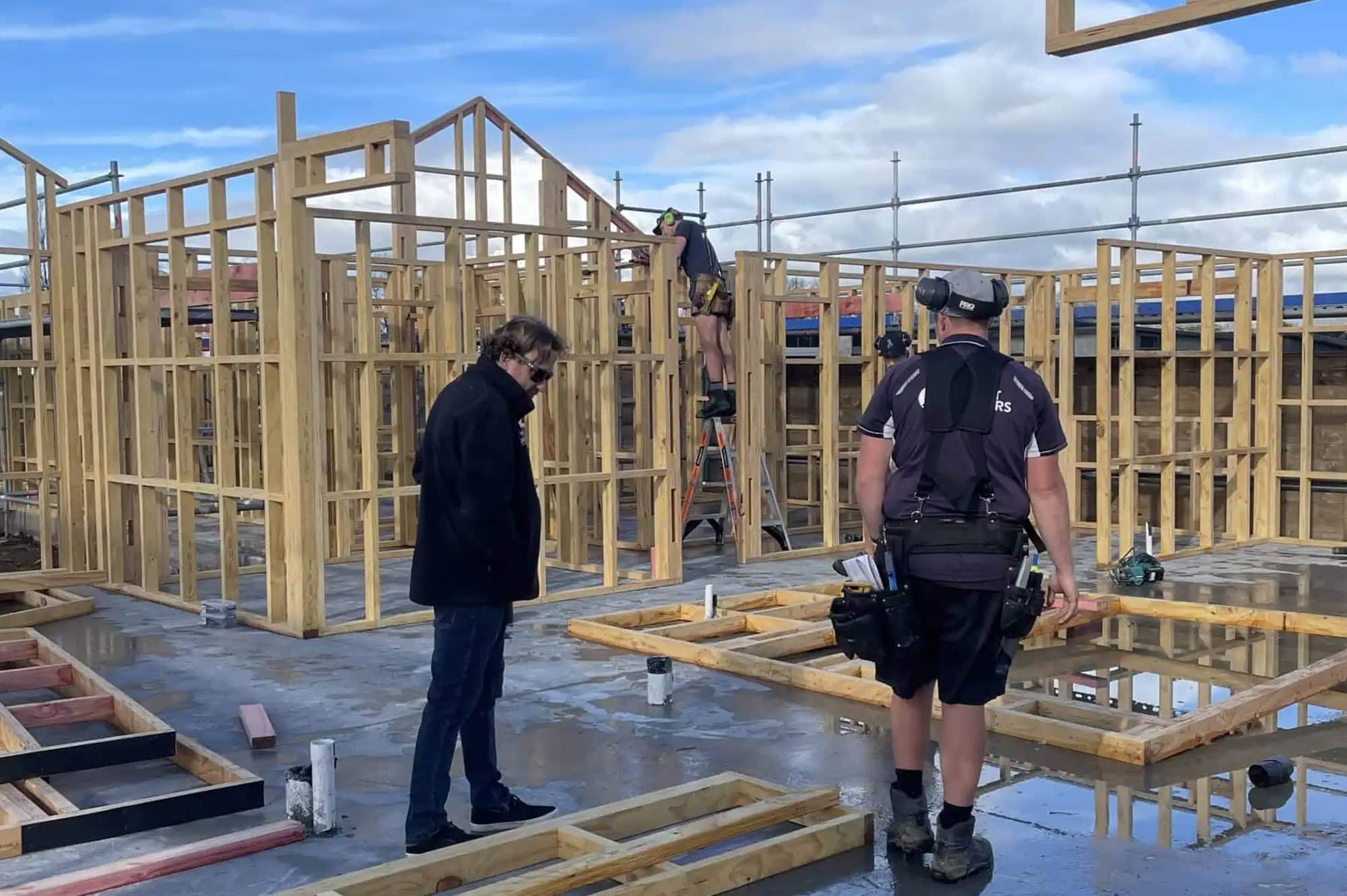
- Visit current build sites to see progress, activity levels and completed homes
Doing these builder background checks gives you a clearer picture of how a building company operates behind the scenes.
What Happens If You Skip Builder Background Checks?
Construction operates on tight margins, and when financial pressure hits a building company, the impact can often be felt by clients.
Without proper builder background checks, issues may show up in ways such as:
- Project delays caused by subcontractor or supplier payment stress
- Construction slows down while a company manages cash flow challenges
- Increased pressure around variations or final payments
These situations can create unnecessary stress for homeowners already committed to a major project.
Why Builder Background Checks Are Becoming More Common
At Davies Homes, we have noticed a clear increase in homeowners conducting builder background checks before choosing a home builder – and it’s something we strongly encourage.
Building a home is often one of the largest financial commitments you’ll ever make. Taking the time to research a builder’s financial stability, track record, and reputation helps ensure you are partnering with a company that can deliver your project with confidence.
When it comes to choosing a home builder, doing the right checks upfront is simply good decision-making.